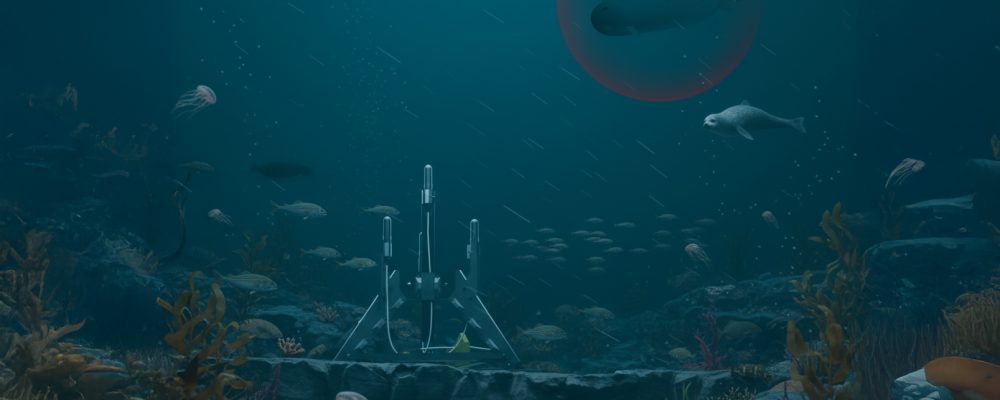
Underwater security and environmental stewardship should not be in conflict. OptiBarrier delivers persistent, real time, wide area protection of critical underwater infrastructure with a sensing approach that is completely passive. There are no outgoing pings and no wet end electronics, so the system does not emit sound or electrical noise into the water. This keeps your acoustic footprint at zero while providing continuous detection and classification.
Why passivity matters for European law and policy
Across Europe, operators face fast evolving requirements to protect critical underwater infrastructure and to manage underwater noise. EU level guidance has established threshold values for impulsive underwater sound and published monitoring guidance for underwater noise in European seas. A passive, listen only system like OptiBarrier supports compliance because it contributes no additional sound into the marine environment while still enabling 24/7 surveillance.
The OptiBarrier technical foundation
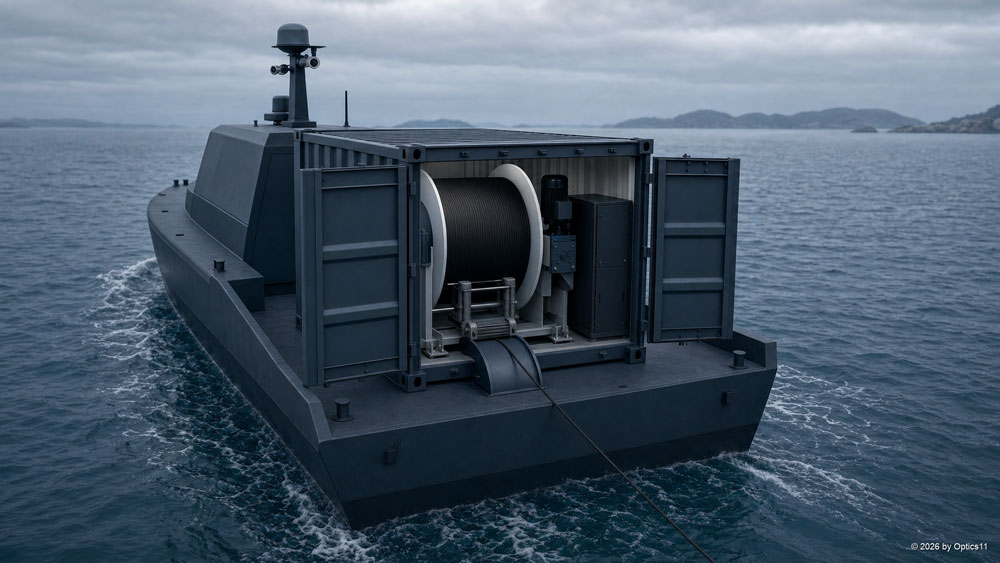
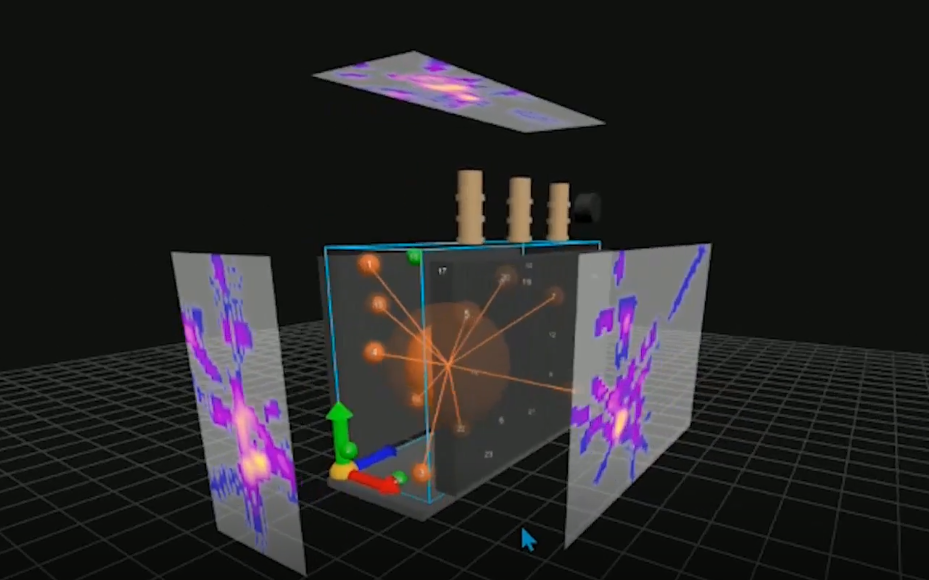
OptiBarrier combines seabed hydrophone pods with a shore based interrogator that performs multi channel acoustic processing. The sensors are fully passive, they are available for 200 meter and 600 meter depth classes, and the interrogator maintains high fidelity sampling up to 1 MHz for real time analytics. Reliability is enhanced by keeping all electronics on the dry end, which reduces failure modes and maintenance needs offshore. These attributes enable long range detection and classification without adding sound to the water.
How OptiBarrier helps you satisfy European directives and national rules
- EU wide frameworks
The NIS2 Directive and the CER Directive create mandatory risk management and resilience duties for critical entities that own or operate energy, telecom and other subsea assets. OptiBarrier answers the physical monitoring part of those duties by providing continuous detection around pipelines, interconnectors, landing points and energy islands. - Underwater noise governance
EU expert guidance on underwater noise focuses on reducing impulsive sound and establishing common monitoring practices. OptiBarrier’s passive architecture aligns with this direction because it performs surveillance without any acoustic transmission.
Selected national snapshots you can act on now
- Netherlands
A dedicated law for underwater critical infrastructure security requires continuous surveillance for new offshore energy cables. OptiBarrier provides the fixed, real time sensor layer to meet that mandate in the North Sea. - Finland
A new Act on the Protection of Infrastructure Critical to Society and a new Cybersecurity Act are in force, backed by recent incidents affecting pipelines and data cables. Operators need persistent monitoring around assets like Balticconnector and subsea cables, which OptiBarrier can provide without adding underwater noise. - United Kingdom
The 2025 Strategic Defence Review assigns the Royal Navy a leading role in securing UK critical undersea infrastructure. OptiBarrier serves as a covert fixed sensor layer that cues mobile assets while remaining acoustically silent. - Germany
Transposition of NIS2 and the planned KRITIS Umbrella Act extend beyond cybersecurity into physical protection of critical facilities. Transmission system operators and offshore wind owners can use OptiBarrier to establish continuous, low maintenance monitoring corridors along cables and pipelines. - Estonia
Legal reforms increase penalties for damaging underwater infrastructure and the state is transposing CER and NIS2. Energy and grid operators are prioritizing systems that give earlier warnings near interconnectors. OptiBarrier delivers this awareness without emitting any sound. - Denmark
The Navy Plan funds capabilities to strengthen surveillance of critical marine infrastructure, including sensors for underwater activity. OptiBarrier is a fit for wide area coverage around wind farms and interconnectors in Danish waters. - Belgium
NIS2 is fully transposed with designated regulators and compliance timelines. Strategic projects like the Princess Elisabeth energy island benefit from passive, persistent seabed monitoring that does not increase cumulative noise. - Sweden and Poland
Government directions and political commitments elevate CUI protection in the Baltic, creating a strong expectation of continuous surveillance around wind projects and interconnectors. Passive sensing helps satisfy security needs while supporting environmental goals.
What makes OptiBarrier different
- Completely passive operation
No outgoing ping and no underwater emissions, which keeps the local soundscape clean and avoids revealing sensor positions. - No wet end electronics
Higher reliability and lower offshore maintenance because the sensitive electronics remain onshore. - High fidelity data at scale
Multi channel processing and 1 MHz oversampling give clean, wide band acoustic data that supports detection, identification and classification. - Over the horizon awareness
Fibre optic acoustics provide early warning at long ranges so operators can act before an incident occurs, and they can do it without adding a single decibel.
Use cases across the EU
- Offshore wind
Maintain a passive acoustic perimeter around turbines, energy islands and export cables to detect suspicious activity and anchor drags while complying with underwater noise objectives. - Interconnectors and telecoms
Monitor approaches to landing points and long cable corridors for intentional or accidental interference, with zero added acoustic emissions. - Pipelines
Establish continuous listening zones along pipeline corridors to detect threats and anomalies early, without generating sound.
Talk to Sales
If you are preparing for NIS2, CER or national CUI obligations and want passive surveillance that adds zero underwater noise, talk to our sales team to schedule a technical walkthrough and site scoping session for OptiBarrier. Contact