
A new milestone for persistent Underwater Security at the Fraunhofer Digital Ocean Lab
OptiBarrier has reached an important new milestone in Underwater Security with the deployment of its first Offshore Test Center in Rostock, Germany. Installed at the Offshore Test Center (OTC) of the Fraunhofer Digital Ocean Lab, this new setup gives OptiBarrier a real offshore environment for continuous testing, data collection, and system development.
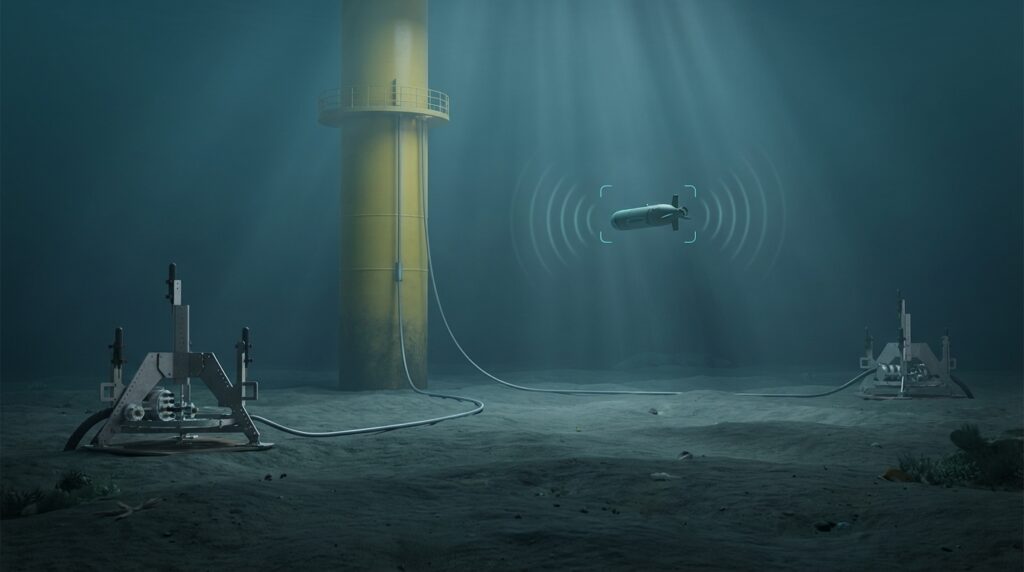
At the site, two OptiBarrier systems have now been successfully deployed. This marks more than a technical achievement. It creates a permanent offshore test location where OptiBarrier can record data continuously, validate performance in real-world conditions, and support ongoing collaboration with partners through remote access.
For OptiBarrier, that matters because Underwater Security demands more than short demonstrations. It requires persistent monitoring, dependable deployment, and a system that can keep operating day and night in realistic maritime conditions. The Rostock Offshore Test Center is an important step in building exactly that.
A hands-on offshore deployment

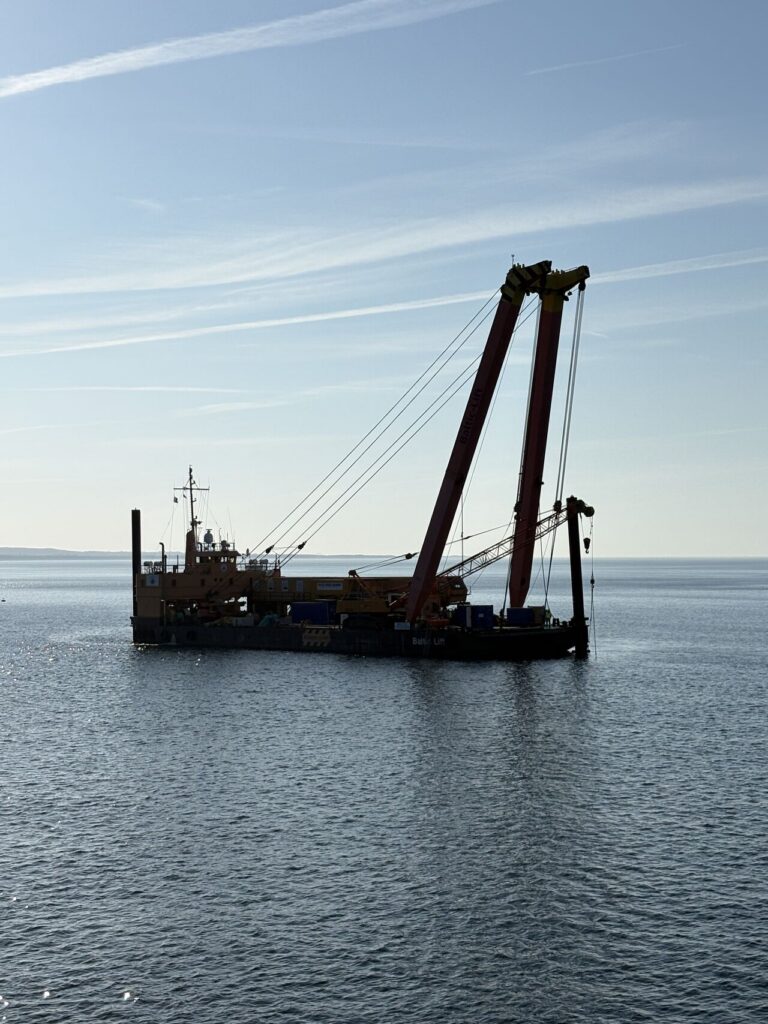
The deployment in Rostock was a true field effort. Max de Jong, Klevi Pecollari, Frederik Westerhout and Tom Kerssemakers (on the photo from left to right) worked long full days, starting with a 5 a.m. alarm and returning around 7 p.m. each evening. Their work included a breezy boat transfer in dry suits to the offshore platform before beginning installation activities on site.

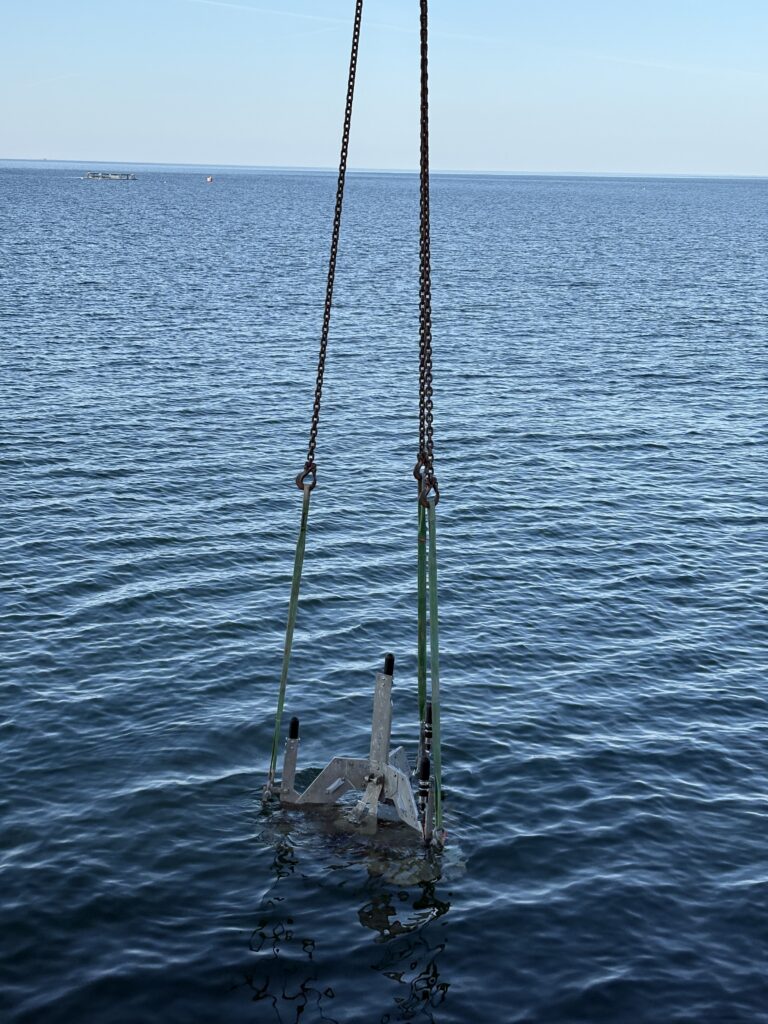
That kind of effort reflects what real offshore work looks like. Deploying OptiBarrier offshore is not just about placing equipment in the water. It is about making sure the system can be installed, connected, and operated reliably in the environments where Underwater Security is needed most.
The team worked closely with Fraunhofer, Baltic Taucher, and SeaSec throughout the deployment. That collaboration was essential in making the installation successful and in establishing a strong foundation for future testing and development at the site.
From deployment to continuous offshore data
With the systems now installed, the Offshore Test Center in Rostock has become a live environment for continuous data collection. OptiBarrier is now recording data 24/7 at the site, with remote connection available for partners.
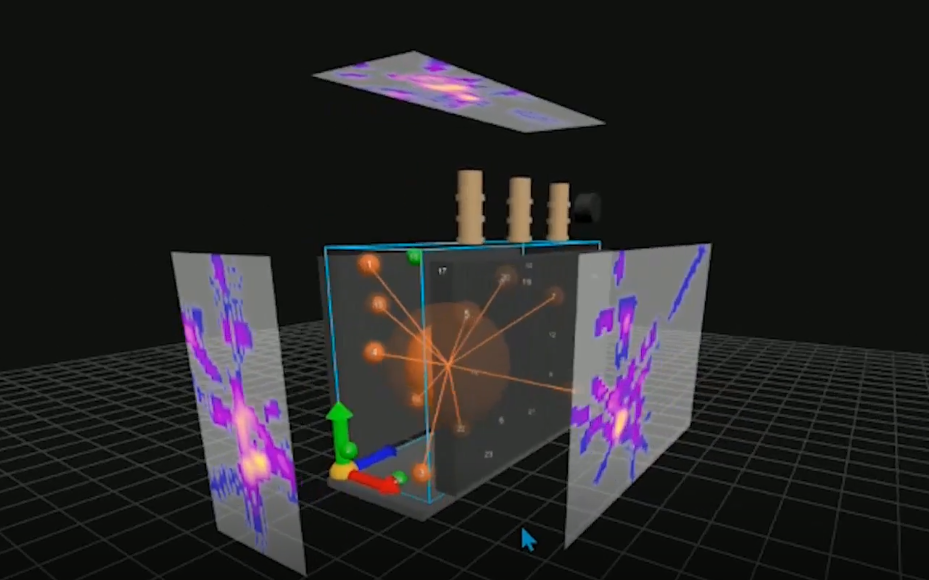
This is a major advantage. A continuously operating offshore test location allows OptiBarrier to gather long-duration datasets, improve detection workflows, support software development, and accelerate system maturity. Instead of relying only on limited trial windows, the team and its partners can now study performance over time and under changing offshore conditions.
That persistent access to offshore data is especially valuable for Underwater Security applications, where understanding activity patterns, environmental conditions, and real operational behavior is critical. It also gives partners a direct way to connect with the site and engage with live data remotely.
Why this matters for OptiBarrier
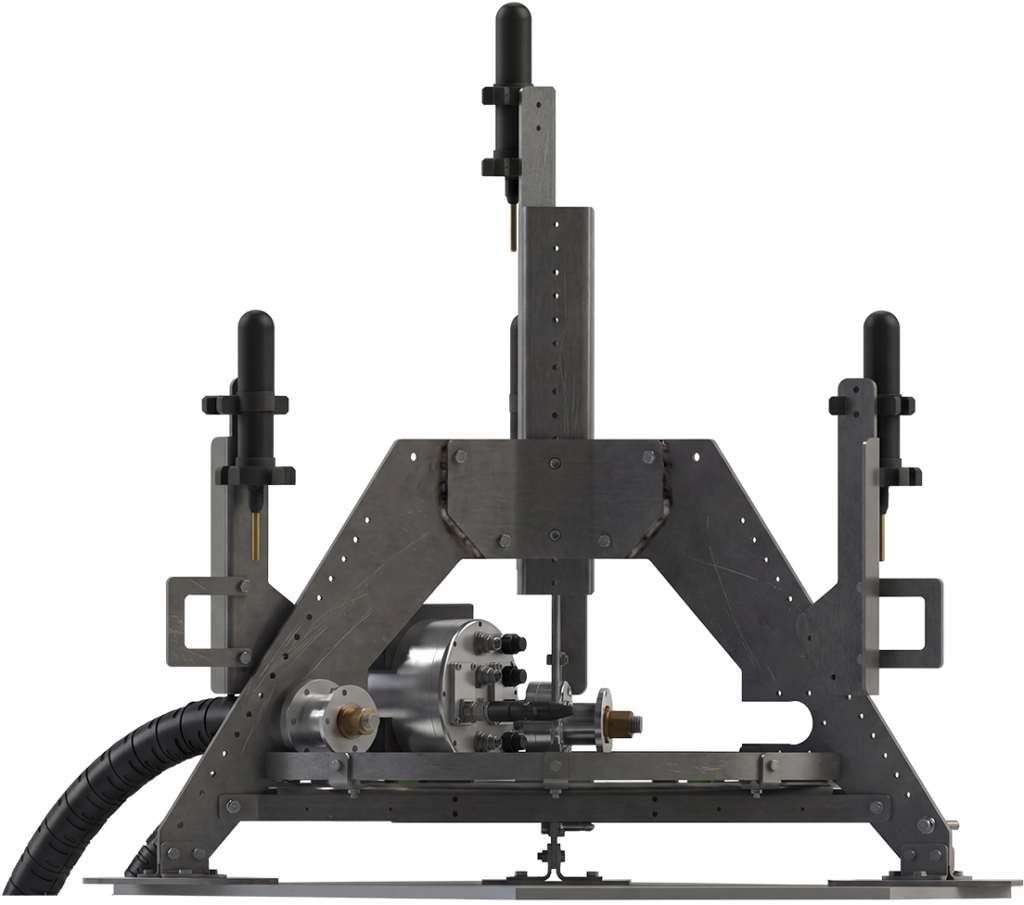
OptiBarrier is designed for persistent, real-time underwater monitoring. Its passive fiber-optic sensing architecture supports continuous operation, wide-area coverage, and offshore deployment while keeping electronics on the dry end. That makes it well suited for the long-term protection and monitoring of critical offshore and subsea infrastructure.
The new Offshore Test Center in Rostock helps bring that value proposition to life in a practical setting. It provides a platform to keep maturing the system, improve workflows around deployment and operation, and strengthen collaboration across technology and field partners.
Just as importantly, it shows how OptiBarrier is moving from controlled trials toward repeatable offshore presence. For customers and partners focused on Underwater Security, that is a meaningful step forward.
Building the next phase of Underwater Security

The first OptiBarrier Offshore Test Center is more than a successful installation. It is the beginning of a permanent offshore capability that supports learning, validation, and progress.
With two systems deployed at the Fraunhofer Digital Ocean Lab in Rostock, continuous 24/7 data collection underway, and remote access available for partners, OptiBarrier now has a powerful new environment to support the next phase of development.
For OptiBarrier, this is how Underwater Security advances: not only through innovation in the lab, but through sustained performance offshore, strong collaboration in the field, and the steady build-up of real operational readiness.
Interested in strengthening protection for offshore assets, subsea infrastructure, or maritime approaches? Contact our Underwater Security specialists to explore how OptiBarrier can support persistent, real-time monitoring tailored to your operational environment. Contact them now.