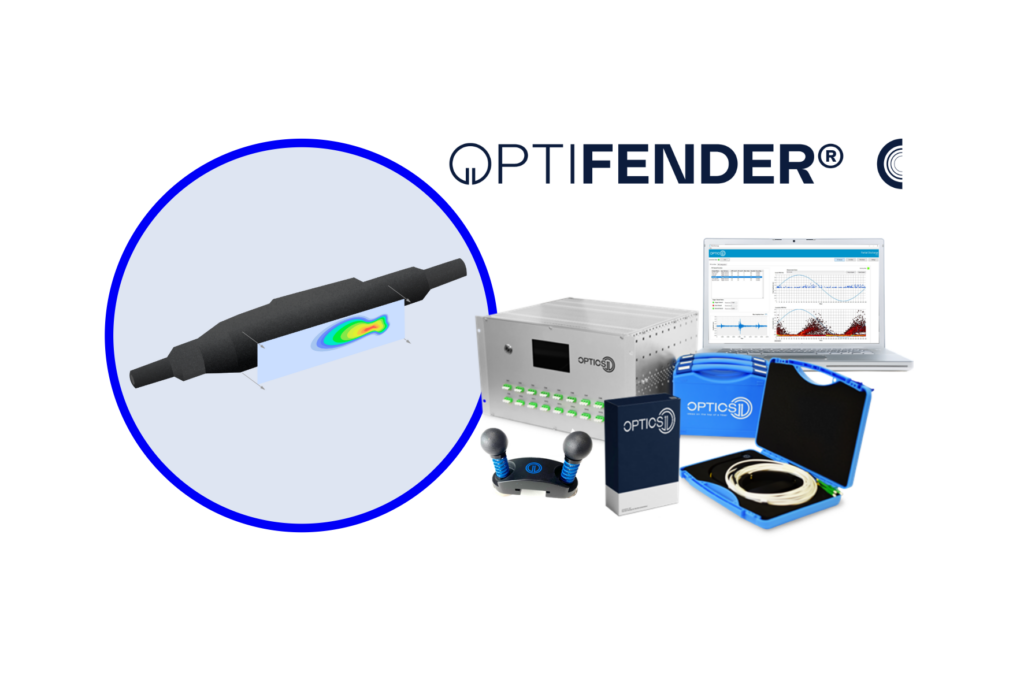
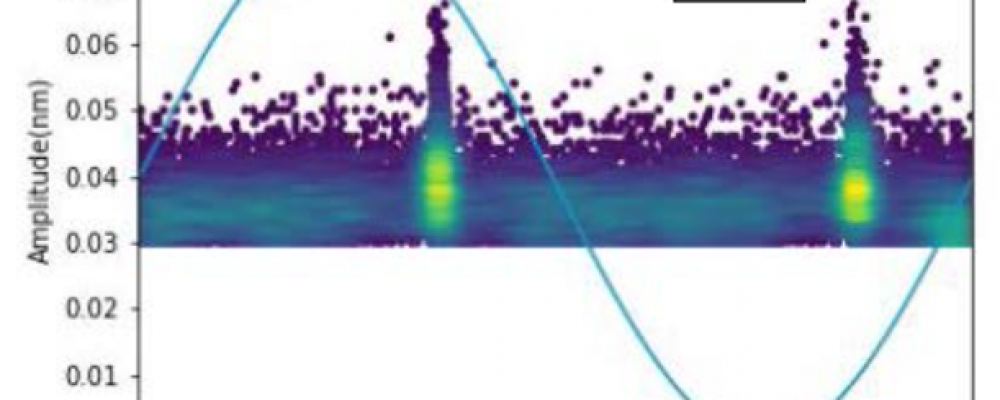
High-voltage (HV) cable joints are critical components in our electrical infrastructure. Ensuring their integrity is of paramount importance to prevent failures and service interruptions. The recent study showcases a pioneering method for detecting partial discharges (PD) in these HV joints using OptiFender, a fiber optic-based acoustic emission PD sensor system.
Key findings and highlights:
- Embedding of OptiFender Sensors: Three of these cutting-edge sensors were embedded into a defective HV joint body. Despite the challenging environment, all sensors not only survived the embedding process but also effectively monitored PDs from as low as 10 pC to voltages ranging from 20 kV to 180 kV.
- Sensitivity Variation: Of the three embedded sensors, the proximal sensor showcased superior sensitivity, detecting PD activities even at very low levels. Conversely, the farthest and intermediate sensors displayed varied sensitivities, underscoring the importance of strategic sensor placement.
- Optimal Sensor Quantity: Preliminary conclusions suggest that two sensors might be adequate for monitoring a joint, especially if no prior data on the PD location is available. However, the exact number depends on the minimum sensitivity required for detection.
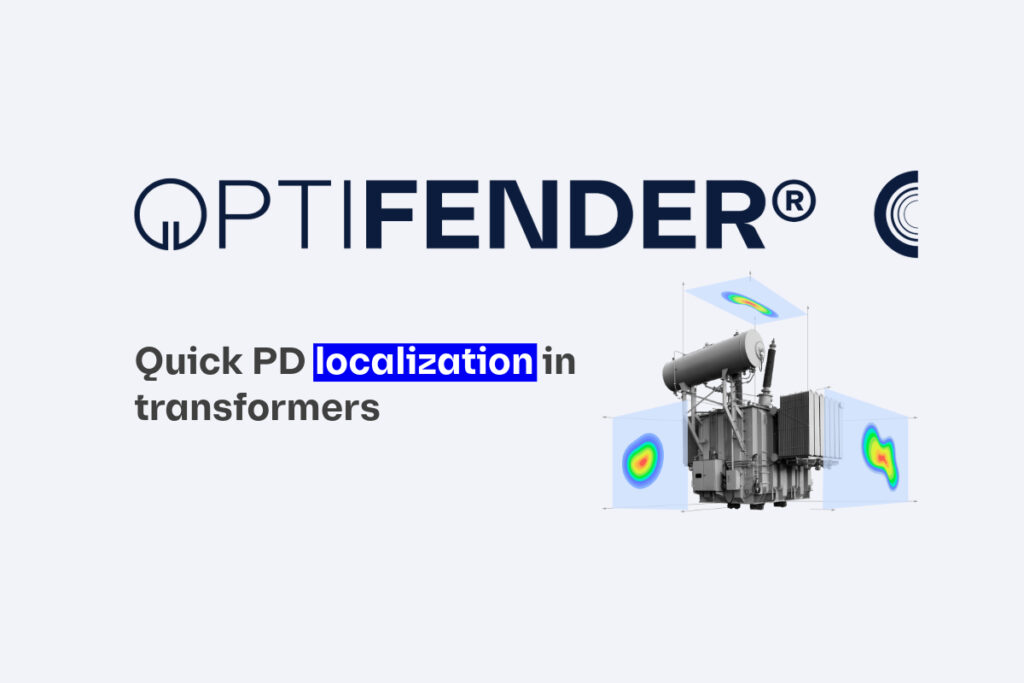
- Advanced Localization: The unique capability of these acoustic PD sensors allows for precise localization of the PD source, with accuracy levels reaching down to the centimeter mark.
- Daisy-Chaining Feature: The OptiFender system introduces cost-effective monitoring by permitting multiple sensors to be linked on a single channel. This feature is expected to become more advanced with the introduction of the wavelength division multiplexing (WDM) method in 2023.
- Broader Applications: Beyond HV joints, the OptiFender system has been successfully implemented in various HV applications like transformers, medium-voltage joints, terminations, and even inverter-fed machines.
In conclusion, the OptiFender system is poised to redefine how we monitor and maintain our high-voltage infrastructure, ensuring increased safety and reliability.
Call to Action:
Want to dive deeper into this groundbreaking study? Understand the intricate details, methods, and potential applications of the OptiFender system? Download the full paper now and stay at the forefront of high-voltage technology advancements.